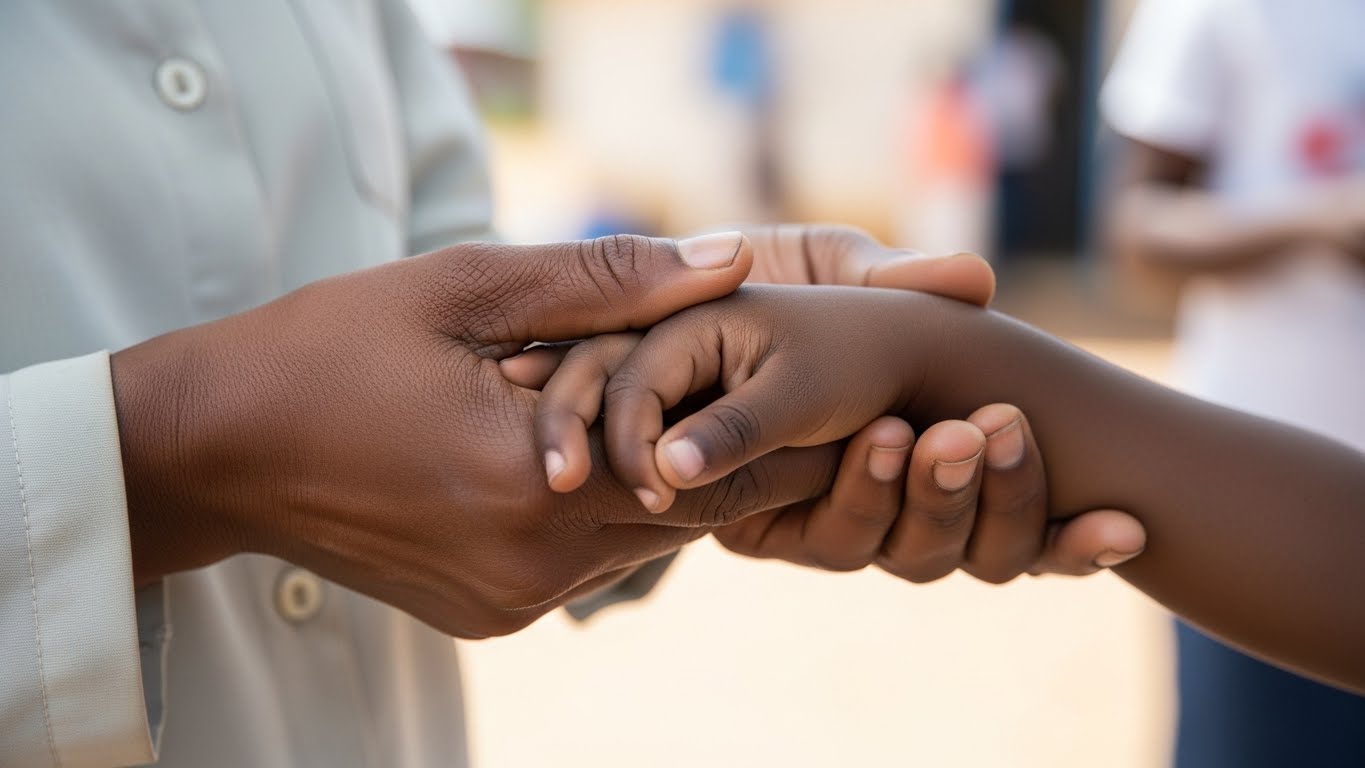
MIN supports protection monitoring for vulnerable, conflict-affected populations.
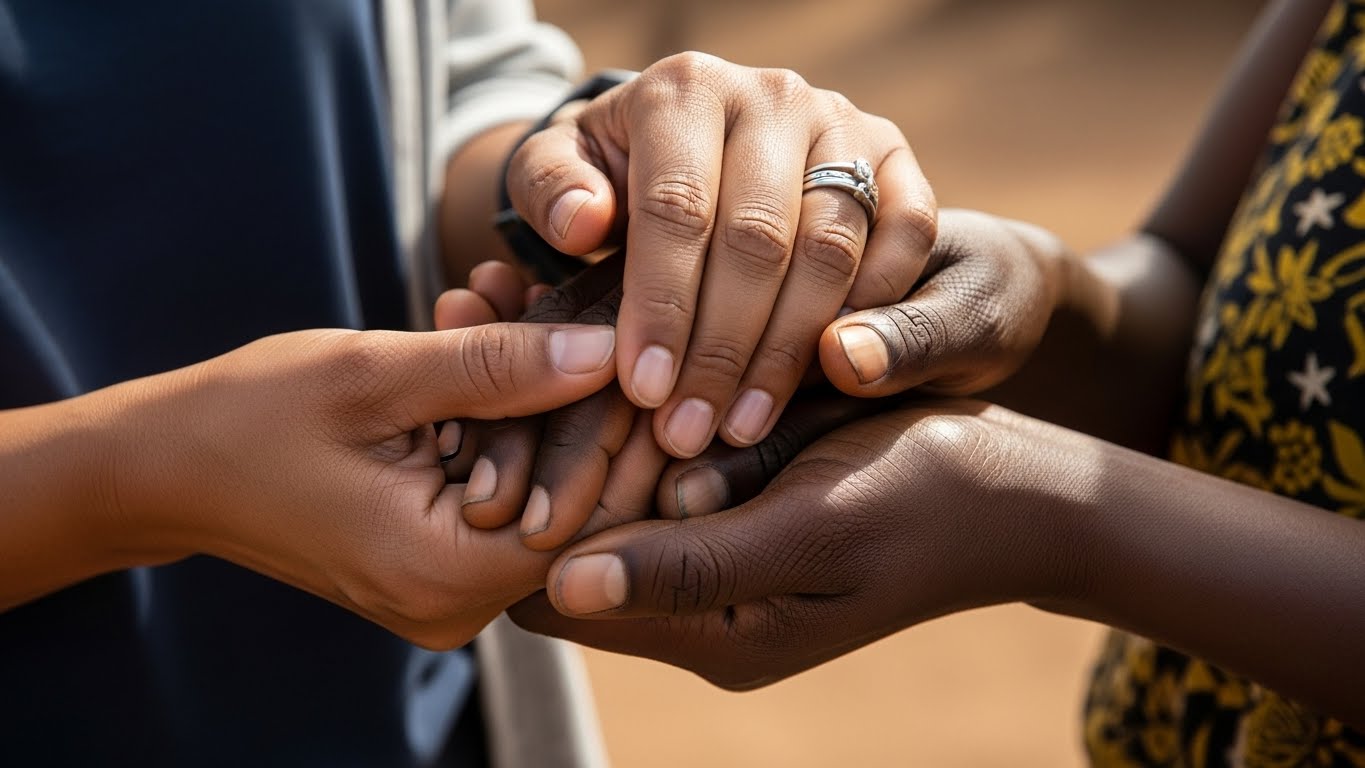
MIN delivers lifesaving case management and support for GBV survivors.
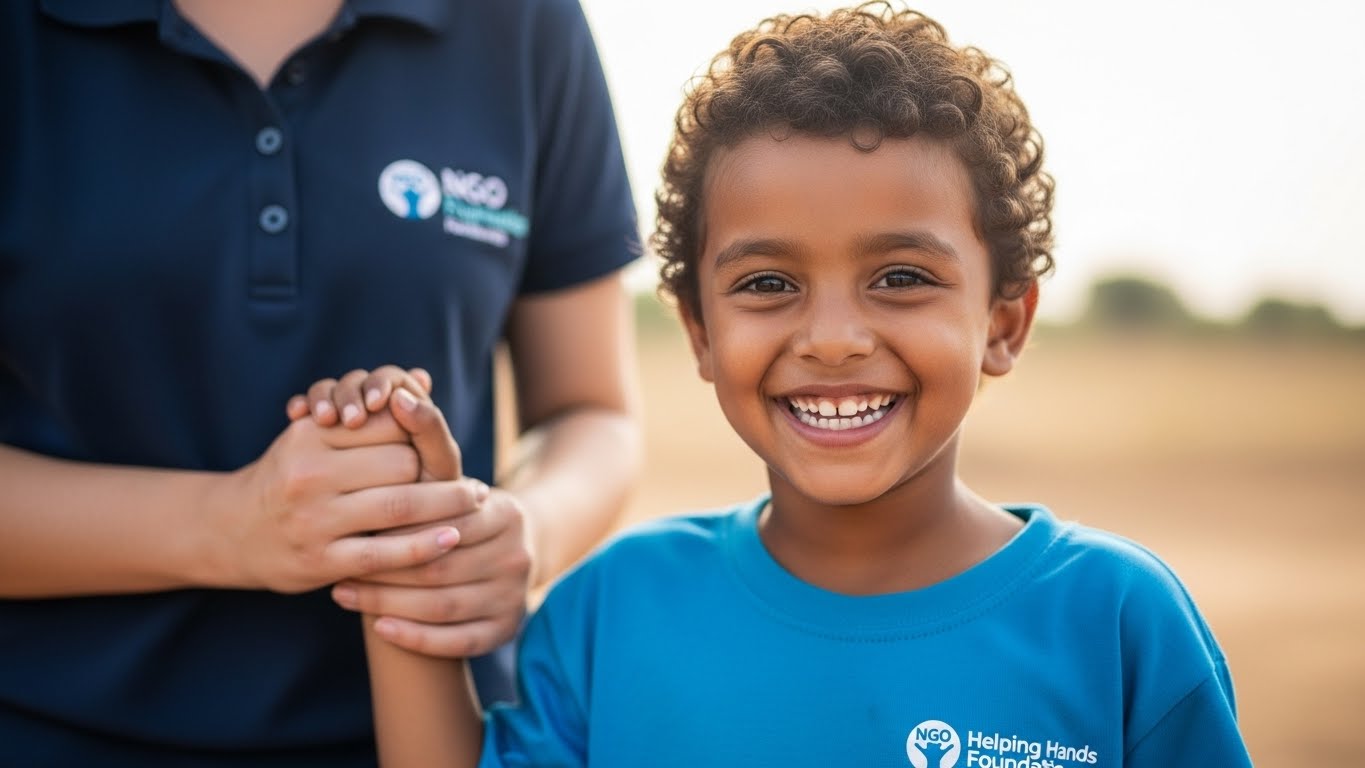
Ensuring child access to protection services and safety from violence.
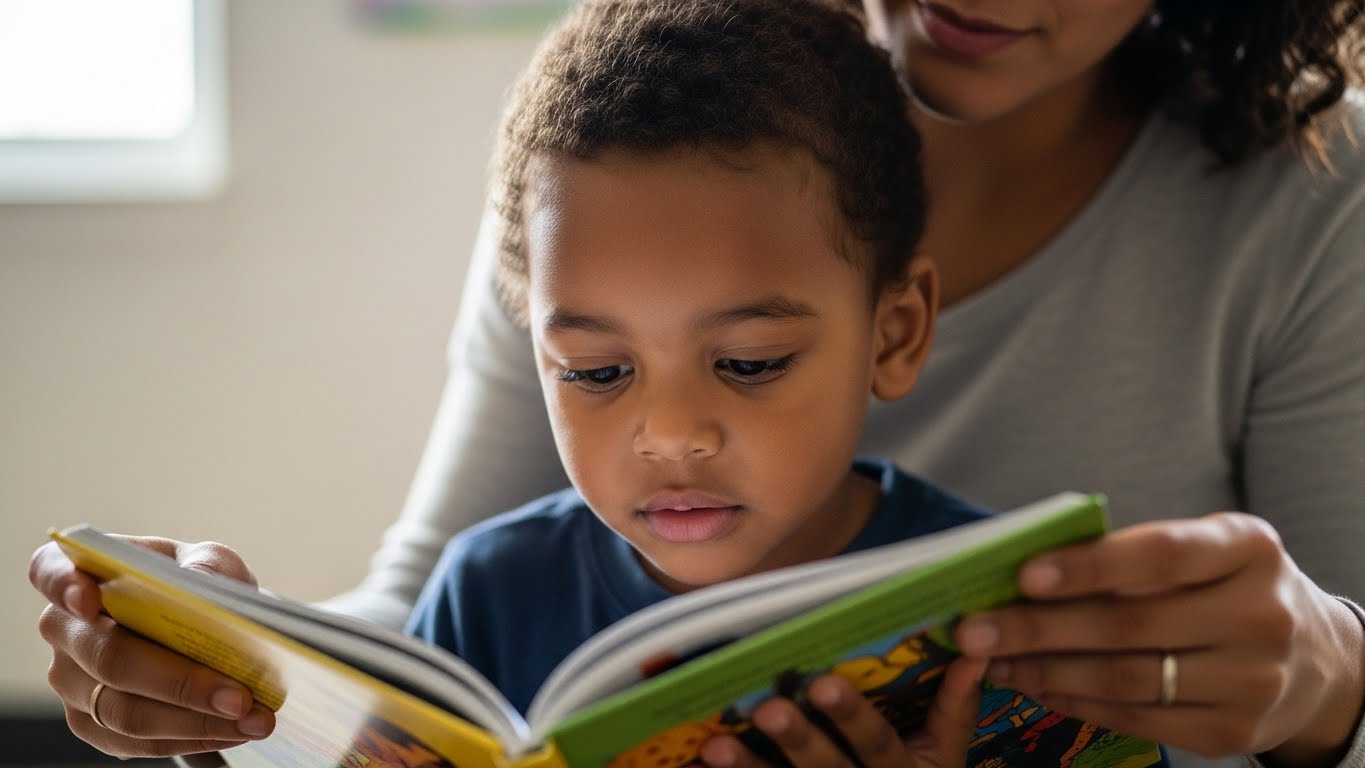
Supporting vulnerable children's dignified access to high-quality education.
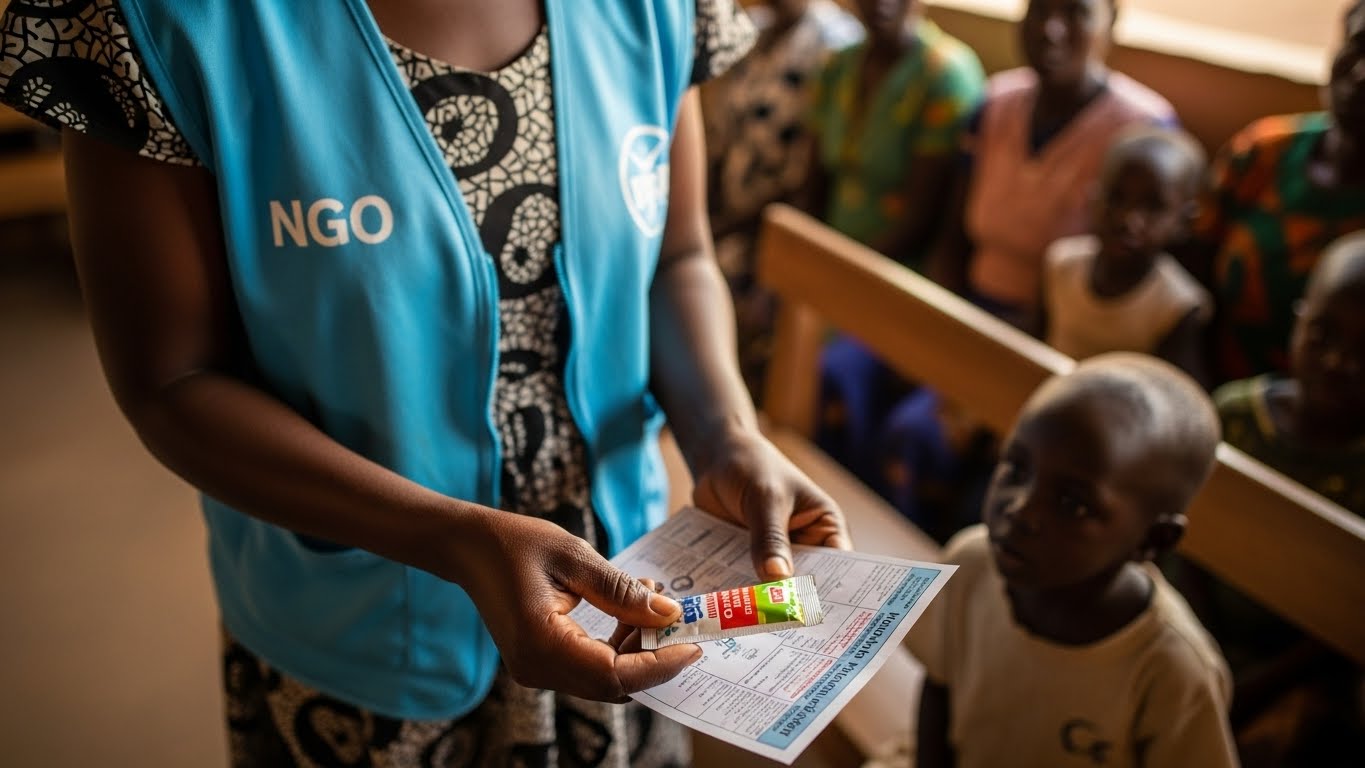
MIN provides primary healthcare and nutrition to save mothers and infants
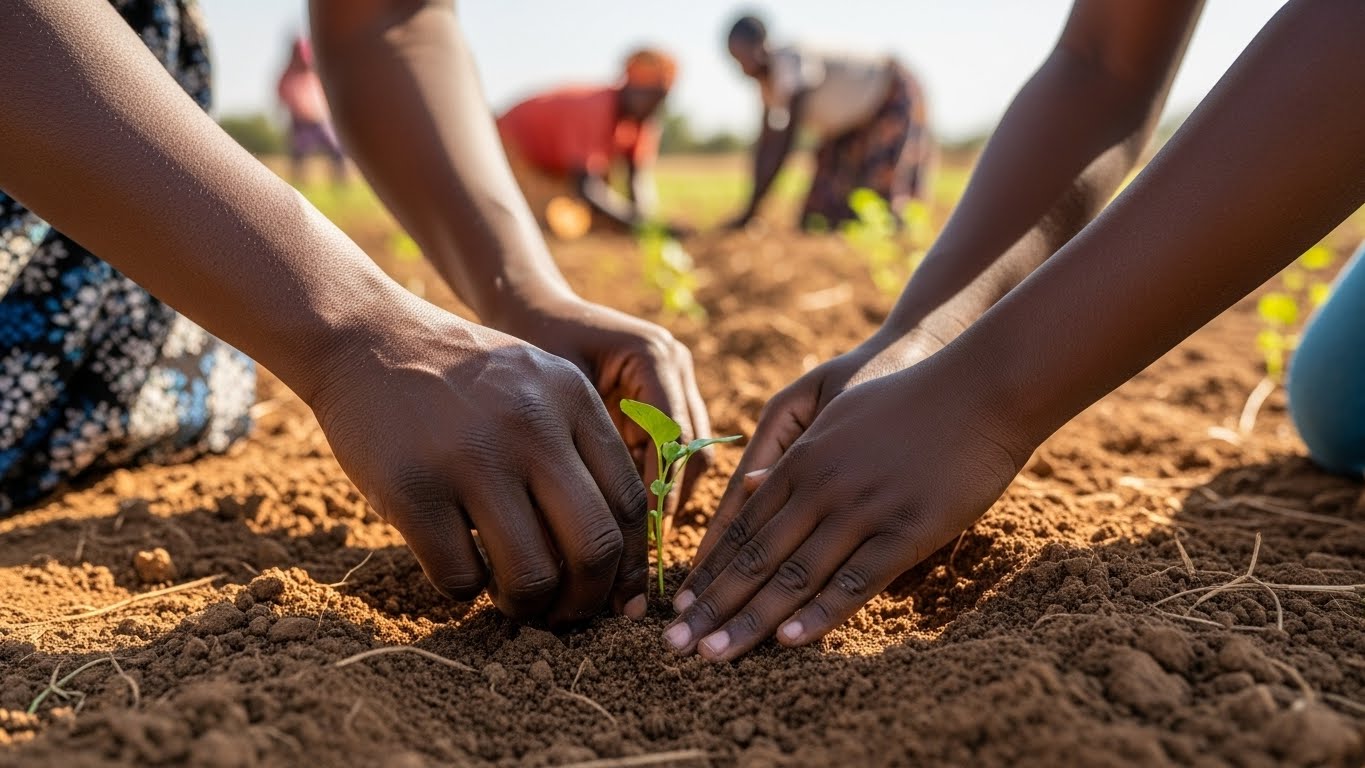
MIN empowers marginalized communities using conditional cash transfers.
The Marginalized Inclusion Network (MIN) is committed to protecting the most vulnerable. We aim to support robust Protection Monitoring systems to identify and document specific protection concerns and human rights violations affecting vulnerable Internally Displaced Persons (IDPs) and conflict-affected people in target locations. This monitoring is essential for timely intervention and advocacy.
MIN aims to strengthen the entire service pathway for GBV survivors. This involves implementing comprehensive case management and direct service provision for survivors, including immediate lifesaving assistance and psycho-social support (PSS). Our teams provide emergency care and facilitate timely referrals to specialized medical services, ensuring a survivor-centered approach.
We work to ensure that all girls and boys have adequate access to child protection services and are safeguarded from violence, abuse, neglect, and exploitation within their homes and communities. A core component of this is ensuring that affected children receive appropriate and continuous support through a structured case management process.
Our efforts in food security focus on improving the economic stability and living conditions of the most vulnerable community members. We achieve this through the timely provision of conditional and unconditional cash transfers. These transfers are strategically designed to empower economic development and skill building within minority and marginalized communities, promoting autonomy.
In the immediate aftermath of any disaster or crisis, the provision of safe shelter is paramount. MIN provides options that support emergency shelters to ensure the affected population has a safe place to stay. Additionally, we distribute Shelter NFI (Non-Food Items) to strengthen affected shelters and provide essential household items during the crisis period.
MIN aims to improve dignified access to safe water, sanitation, and hygiene facilities for minorities, IDPs, and vulnerable host communities in Somalia. We prioritize working with key institutions like schools and health facilities to address localized WASH challenges, thereby restoring the health and dignity of affected populations.
MIN aims to improve and promote sustainable nutrition and the provision of primary healthcare services to vulnerable communities. Our focus is highly specialized, targeting child health and maternal health specifically to save the lives of expectant women/pregnant mothers and infants, addressing the high vulnerability in these groups.
The Education program aims to support community access to quality education in a dignified manner, while always coordinating closely with government ministries and other education stakeholders. In all its educational programs, MIN places a special focus on children from the most vulnerable, marginalized, and minority populations to close the educational equity gap.
Our goal is to ensure that Internally Displaced Persons (IDPs) have equitable access to services, including humanitarian assistance and protection, to improve their quality of life and dignity. Additionally, MIN actively supports the improvement of site maintenance and site monitoring capacities and utilizes cash-for-work activities where applicable to enhance the overall living conditions of IDPs and minority communities.